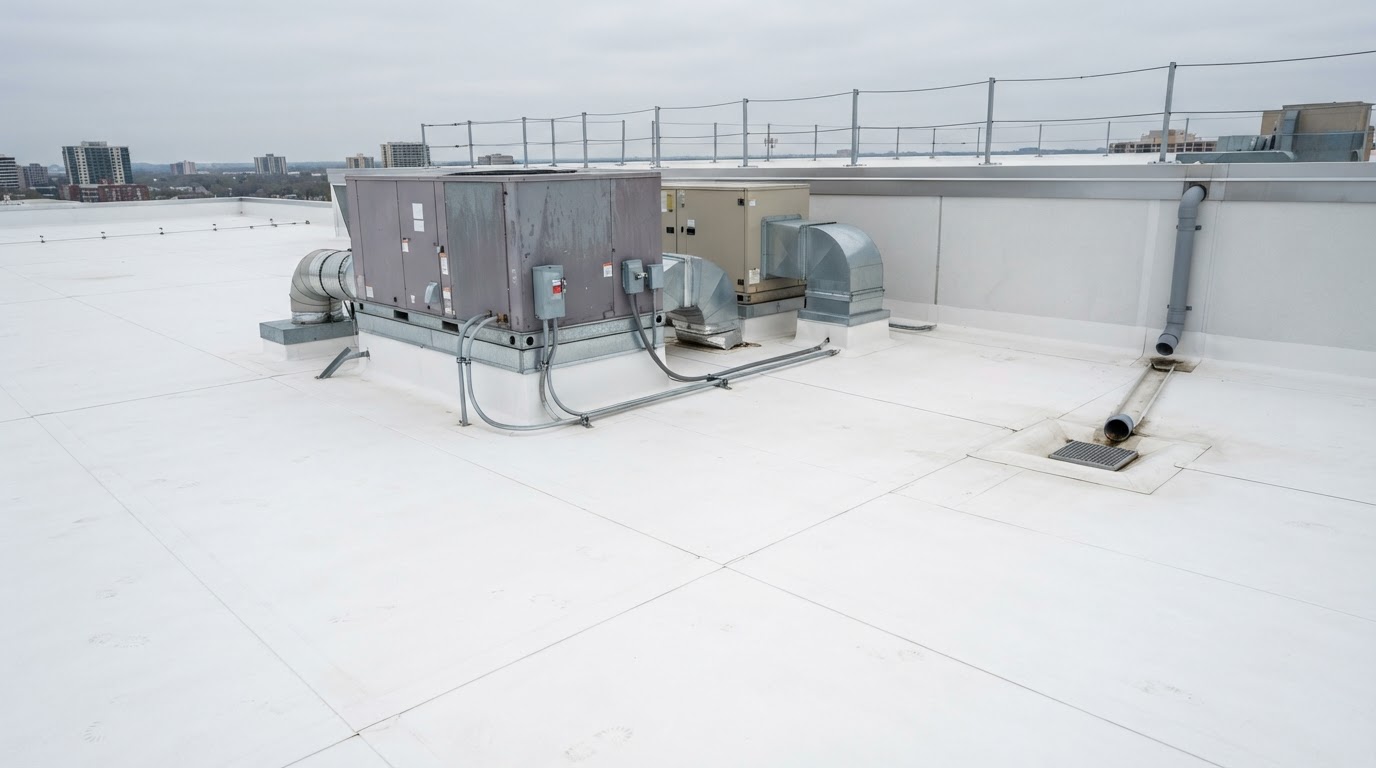
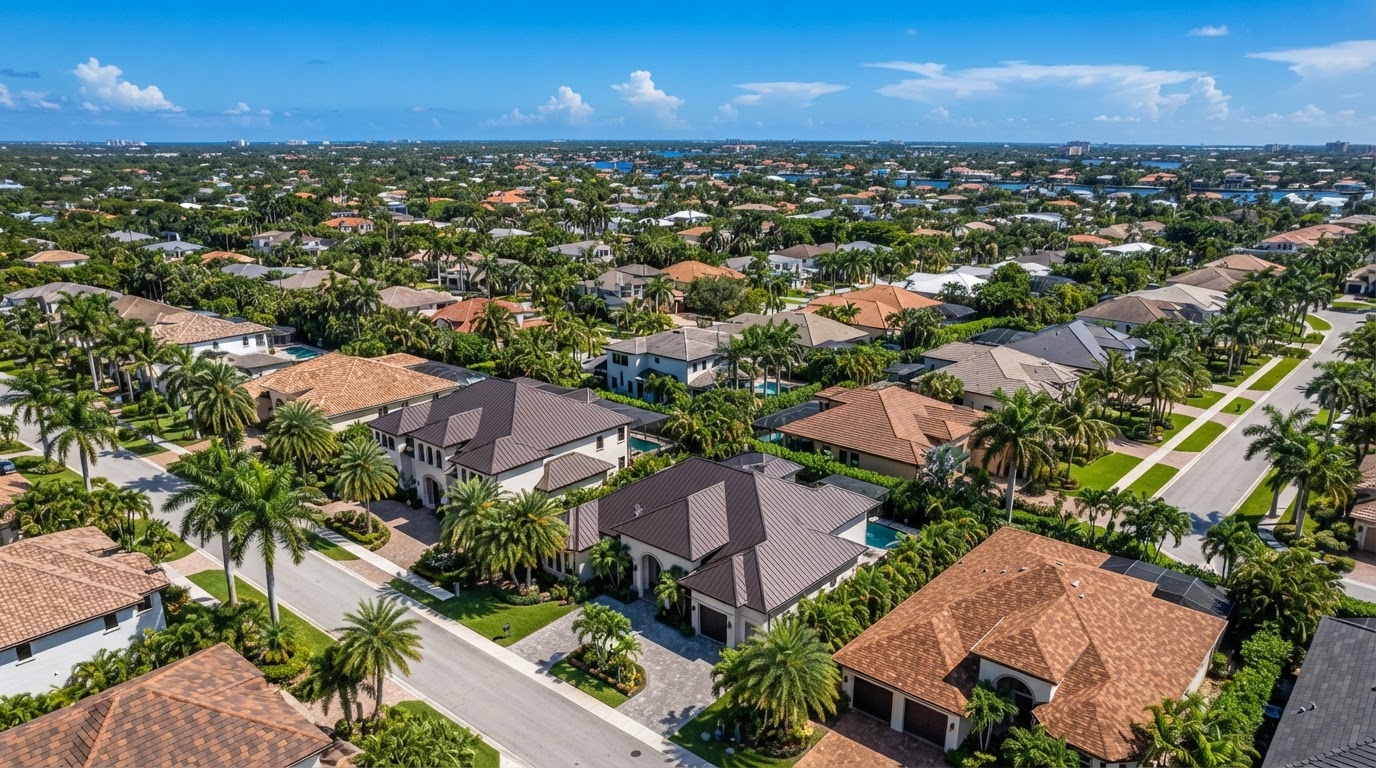
If you build, replace, or repair roofs anywhere in Florida, the rules are changing. The 9th Edition of the Florida Building Code (FBC) takes effect December 31, 2026, carrying forward a newer generation of wind-load standards and rewriting the reroofing rules that govern when an old roof can stay and when it must come off. For homeowners and business owners across Miami, Hialeah, Fort Lauderdale, and South Florida, these changes affect how roofing work is priced, permitted, and performed.
Why the 9th Edition Matters for South Florida Roofs
South Florida roofs already face some of the most demanding conditions in the country — intense sun, heavy rainfall, humidity, and seasonal tropical storms. The Miami-Dade High Velocity Hurricane Zone (HVHZ) has historically enforced the strictest roofing requirements in the state, including mandatory product approval testing and impact-rated materials. The 9th Edition builds on that foundation with updated wind-load calculations and new provisions that reshape what a compliant roof replacement looks like.
These changes are driven by lessons learned from recent hurricane seasons, advances in engineering standards, and the ongoing adoption cycle of the ASCE 7-22 wind load standard. For property owners, the practical impact is that roofing estimates, material selections, and project timelines may look different going forward.
Change #1: Updated Wind-Load Calculations
The 9th Edition locks in the newer ASCE 7-22 wind-load standards. For gable and hip roofs steeper than 7 degrees, the component and cladding pressure zones have been simplified and pressure coefficients revised. In many zones this lowers design pressures, while in others it leaves them unchanged or slightly higher. The net effect depends on your roof geometry, slope, and exposure.
What this means in practice: roofing products must be approved against the correct design pressures for your specific roof. A roof installed to the wrong design pressures can amount to a code violation, create warranty problems, and become the centerpiece of a defect claim after a storm. Your roofing contractor should verify that every material specified carries a product approval matching the updated wind-load requirements for your property.
Change #2: Rewritten Reroofing Rules
The reroofing section of the code has been significantly revised. As currently approved, the new code is expected to allow reuse of sound substrates in certain situations, permit existing adhered membranes to remain in place, and relocate the rules governing elastomeric and maintenance coatings over asphalt shingles into the asphalt shingle sections of the code.
- Reuse of sound substrates: Where two roof covering applications exist, the contractor may remove the upper system and install the new roof over an existing or repaired substrate that remains adequate — potentially avoiding a full tear-off of high R-value insulation.
- Existing adhered membranes: A vapor barrier or self-adhering membrane adhered to the roof deck may remain in place and be covered with an additional layer installed per code.
- Coatings over shingles: Elastomeric and maintenance coatings over asphalt shingles now fall under the asphalt shingle sections and must follow the shingle manufacturer's approved installation instructions.
Whether an existing substrate is 'adequate' for the new roof is the kind of question that can end up in front of a jury after a hurricane. A qualified inspection before the project begins helps document the condition of every layer and creates a clear record for permitting and insurance purposes.
What Stays: The 25 Percent Rule Exception
The 25 percent rule remains in effect under the updated code. When 25 percent or more of an existing roofing system or roof section — one that was built, repaired, or replaced in compliance with a prior edition of the FBC — is being repaired, replaced, or recovered, only the repaired, replaced, or recovered portion must meet the current code. Local governments cannot amend this exception by ordinance. However, older roofs built before the Florida Building Code's implementation remain subject to full replacement when repairs cross the threshold.
Sealed Roof Decks and Wind Mitigation Credits
Sealed roof decks — using self-adhering modified bitumen membrane (peel-and-stick) over the entire roof deck surface — remain a cornerstone of South Florida roofing. When a hurricane removes shingles or tiles, a fully sealed deck can prevent water intrusion for up to 72 hours, drastically reducing interior damage. Many of the 2026 code upgrades also qualify for wind insurance premium discounts of 15 to 30 percent, which can offset their cost over time.
An updated wind mitigation inspection on the new OIR-B1-1802 form (Rev. 04/26, mandatory April 1, 2026) requires tighter documentation for each feature — roof permits, product approval numbers, and installation years. An upgrade you have already paid for does nothing for your premium until it is documented, so scheduling a fresh inspection after any major roofing work is usually worthwhile.
What This Means for Your Next Roofing Project
- 1Verify product approvals: Make sure every material specified carries an approval matching the updated design pressures for your roof geometry and exposure.
- 2Document the substrate: An inspection of the existing roof deck, insulation, and membranes before the project helps determine what can stay and what must come off.
- 3Budget for sealed deck requirements: Full peel-and-stick coverage adds cost but qualifies for significant insurance premium reductions.
- 4Schedule a wind mitigation inspection: After the project, a fresh OIR-B1-1802 form documents the upgrades and can unlock insurance savings.
- 5Plan ahead: The 9th Edition takes effect December 31, 2026 — projects permitted before that date follow the 8th Edition, while later permits follow the new code.
Planning a Roof Replacement in South Florida?
At Southwest Roofing Solutions LLC, we help homeowners and business owners across Miami, Hialeah, Fort Lauderdale, and surrounding South Florida communities navigate building code requirements, material selections, and wind mitigation documentation. Whether you're planning a roof replacement before or after the 9th Edition takes effect, our team can help you understand the options that fit your property and budget.
Contact us to discuss your roofing project and request a free estimate. Call (786) 234-0227 or submit the form on our contact page.
Planning a Roof Replacement?
Southwest Roofing Solutions helps South Florida property owners navigate building code requirements, material selections, and wind mitigation documentation.